

Aging in place 101: a not-so-obvious list of top caregiver resources to try out
The work of a caregiver is never-ending. Strong resources are key to empowerment for both the caregiver and those they are caring for. And while some caregivers are just coming to learn about the effort that goes into supporting and empowering those individuals who are aging in place, others have been a formal caregiver for most of their lives. Whatever the stage, today there are a wide array of organizations and resources working to both support and recognize the work of caregivers. A foundational understanding of the caregiver tools and resources landscape can be a helpful first step to supporting the aging in place process, and for others, a good reminder too of who can truly help.
In-Home Assessment
Literally starting at home is often the best place to start. From emergency contact lists to outlining the many items related to ongoing maintenance and repair of the home, the details that need managing in addition to the caretaking of the individual themselves is yet another thing for caregivers to consider.
AARP
offers a free Home Guide Kit that includes worksheets, tips and resources (sometimes with meetings in your state) as a way to sort thru the many items on the caretaker to-do list, when staying at home is a priority.
New to the market is a well-known Best Buy. The services from electronics innovator has been refined for seniors through the new
Best Buy Assured Living
offering. Included is an extension of the blue shirt team – referred to as Advisors. Members of the Advisor team can:
- Assess caregiving needs and help determine what's right for your family.
- Walk individuals through the benefits of Assured Living, including tools and support from the experts at Mayo Clinic and UnitedHealthcare.
- Act as your personal guide
- Be another trusted resource to make living at home easier and more comfortable through the use of technology.
Organizations for Hire In-Home
The coalescence of organizations surrounding the caregiver and the individual in need of support and empowerment is growing. Today, these entities focus on assisting those who assist others while offering the sort of one-to-one care so many are seeking:
- BrightStar Care grew out of the vision and idea that entrepreneur Shelly Sun in 2002 from one location in Gurnee, IL and today offers franchise locations across the country for in-home care and medical staffing. A deep menu of offerings underneath the categories of personal, transitional and skilled nursing care, are available to aging in place individuals and their family members.
- Home Instead was started by Paul and Lori Hogan in 1994 in Omaha, Nebraska. Paul's own family experience caring led him to realize many families could use the help of an in-home caregiver. He and Lori set about creating a company to help seniors to live independently at home. Today, the network has grown to include more than 1,000 franchises around the world -- including this office in Houston, TX. Consider finding a Home Instead organization within your community.
Workplace Support You’re Already Paying For
Don’t forget the resources that are often right in front of you. Many workplaces today offer counseling, support and advisory services through their Employee Assistance Program (EAP). While the callout to the caregiver may not always be self-evident, or even an obvious menu option for all EAP’s today, it’s worth considering a call and checking into as the counseling and professional services available. As these entities often operate at the highest level in this space, providing yet another backdrop of support to you and members of your family. Additionally, they can be a good resource to a plethora of other resources.
Today, Lifeworks focuses on family as one of its 5 areas of support to employees which includes becoming a parent, child care, or caring for an older relative. While your caregiving situation is no doubt a unique one, this resource often has years of experience and staffing to help you thru your journey, wherever you’re at.
While perhaps never an easy task, supporting those aging in place can be rewarding in that is offers insight into the capabilities of others. And in the end, these are likely resources who can be a constant resource to you and your family. Sometimes filling in when you can’t assist, but other times offering the roadmap to what your role supporting aging in place looks like both now and in the future. What more might anyone ask for than that? An army of resources for aging in place at your fingertips, that’s a 101 lesson plan to get behind sooner rather than later.


E Pill vs Med Minder vs GMS Med-e-lert (+ alternatives & reviews)
Medication non-adherence is a serious problem. In fact, it has been linked to many poor health outcomes, including increased hospitalizations and even death. Medication non-adherence ultimately ends up costing the US healthcare system billions of dollars each year.
If you or a loved one is having trouble remembering to take their medication, or if you’re not sure they are taking them correctly, or at all, there is technology available to combat medication non-adherence. We’re going to breakdown three options for you, as well as an alternative to consider.
E-Pill Medsmart Automatic Pill Dispenser
 The E-Pill Medsmart Automatic Pill Dispenser is a reliable option for those who are affected by medication non-adherence. The device is split up into different sections for each set of pills that make a circle, which rotates into place when it is time to take a pill. The dispenser will then emit a loud sound as well as a blinking light. Simply flip the device over and the pills will fall into your hands.
The dispenser is AC powered with a battery backup, and an alarm will sound when the battery is low. When it’s time to take a pill, the E-Pill Medsmart Automatic Pill Dispenser is easy to use, can hold up to 20 aspirin-sized pills at a time per compartment, and can be purchased upfront, with no monthly fees.
“My mom is 89 years old and has a lot of trouble remembering when to take her pills. With the MedSmart pill dispenser that problem has gone away. If the red light is on and the alarm is sounding she knows it is time to take her pills, if not there are no pills in the window and she knows it is not time for her pills. The only regret I have is that I didn't buy this earlier.” - via Amazon Reviews
MedMinder - Jon Pill Dispenser
 While at first glance, it might appear that the MedMinder Jon Pill Dispenser is a regular pill calendar dispenser, there is much more behind these device. The dispenser features locking sections, and will only grant users to the correct compartments at correct dosage times, so there is no worry of anyone overdosing.
The Jon Pill Dispenser’s defining feature is that it enables interconnection between the user, their family, and the caregiver. The Jon locking pill dispenser can update MedMinder’s central computer about the patient’s dosage activity, which will then be readily available online for caregivers who can also receive immediate email or text message notifications and weekly reports.
MedMinder Review
“Just want to say how awesome the med minder is! My mother has beginning dementia and AFIB, which messes with her mind and takes 74 pills a day. The MedMinder keeps her on a timely schedule which keeps her med levels more consistent. She is doing better health wise and it gives me peace of mind knowing she doing everything right when I don’t get a text or call.” - via MedMinder website
GMS Med-e-lert
 The GMS Med-e-lert is similar to the E-Pill dispenser, but it does feature a clear cover, which helps the user see when they need to refill the device. A couple of new features for the latest model of the dispenser include the unit retaining program settings when the user needs to change batteries and a six alarms per day maximum, which is the same for the E-Pill. Unlike the E-Pill, the GMS Med-e-lert runs solely on AA batteries.
GMS Med-e-lert Review
“Med-e-lert solved my mother's medicine taking problem. Before Med-e-lert, she was forgetting to take her medicine at the assigned times and would occasionally become confused and double dose since all pills were available on her old pill box. All problems solved with this product. It was easy to program and has not jammed or malfunctioned since purchasing it weeks ago. The alarm feature successfully nags Mom until she takes her medicine. I highly recommend this product.” via Amazon Reviews.
Alternative Pill Dispensers (Ōmcare Telemed System)
 Just like with these companies, here at Ōmcare, we too understand the significance of medication non-adherence and the effect it has on millions of people every year. That’s why we created the Ōmcare Telemed System with video chat interface.
This product, which will be hitting the market soon, offers caregivers the ability to see, speak to, and confirm appropriate medication from anywhere. The easy-to-use Ōmcare Telemed System enables remote care and visual confirmation of right pill, right time, right person. We want your loved one to feel empowered, not monitored - giving you peace of mind, as if you were right there with them.
Features include:
- 3-way calling capabilities
- Easy, one-touch call interface for end-users
- Medication dispensing, consumption assistance and support
- Remote in-home telehealth care
- Longitudinal data with medication adherence confirmation
- EHR integration to support physician directives
- Ability to dispense multi-dose pouch packaged medication
If you’re interested in making your or a loved one’s life easier by avoiding medication non-adherence, then make sure you keep an eye out for the Omcare Telemed System. Subscribe to our email list to stay up to date on latest updates on the release of this new device!

Download your personal daily medication chart (tips & alternatives)
Managing medications is not just a daily task, in many ways it’s a never-ending one. Keeping track of what you’re taking can be managed in so many different ways, but which one is best? First, consider what works best for you. Then think about how it might work for someone else to support your daily medication charting efforts. Having the ability to share and show others the way you’re managing your daily medications can be helpful to you and your appointed caregivers. Whether your caregiver is a member of your family or a more formal resource, like a hospital staff member or home health nurse, the ability to share your daily medication chart should be considered when you review the types of charts and tools available to you.
Here are 3 medication charts to consider when managing your daily medication:
1. Paper Might Work Best for You: ePill - FREE
Charts that offer the opportunity to write down, cross off and track the medication you’re taking still works best for many individuals. It’s always easy to look at the item in front of you and put your own information into it in a way that you best understand. Plus, all of the organizing is already done because you just have to fill in the information, on the already designed grid. Unlike other tools though, paper isn’t always as easily shared, so consider who is helping you out each day and what might also be a good way to show this individual your tracking proof too.
2. Electronic Templates Offer Access for All: Best Templates - $12
Tracking your log over time can be another way to monitor the way you’ve taken your meds vs. how they were intended to be taken. Best Templates offers downloadable versions that makes sharing with other easy, in addition to having a log for yourself to review over time.
3. Apps Work Well for Many: MyMedSchedule.com - FREE
With your phone already at your fingertips, the ability to chart the medications you take can be logged and recorded easily and quickly. The MyMed Schedule app allows you to type in and then find the medication you’re taking within its data listing, making set up easy. Establishing reminders by individual medications can then happen to help ensure there’s not a crossover of taking a medication at the wrong time.
Whatever choice you might make for your personal Daily Medication Chart, a top priority remains - taking the right pill, at the right time. More and more, the medications we’re each taking have benefits of their own impacted by combination with another drug. And so tracking, charting, recording and then sharing the information is more important than ever.
The Ōmcare Telemed System will be available in early 2019 enabling remote medication adherence assistance which will put an end to paper charts and reminder apps. Sign up to our email list to receive more information on availability and system features.

Startups that are disrupting Healthcare in 2019 (5 companies to watch)
It’s no secret that the healthcare industry has become a formidable presence in the startup arena, garnering hundreds of millions of dollars in investing this year. In fact, according to a Forbes article, all signs point to 2018 being a record breaking year for healthcare VC investing.
Because of this hyperactive market, there has been an increase in the amount of healthcare startups looking to capitalize on this interest from investors. This means that it’s getting harder to separate the contenders from the pretenders when it comes to these new companies. To help identify the cream of the crop, here is the definitive list of the top five healthcare startups to keep an eye on in 2019.
Virta
Virta is doing great work in helping those with diabetes, and they’ll continue to do more great things in 2019. Virta Health has delivered the first clinically-proven treatment to safely and sustainably reverse type 2 diabetes without the use medications or surgery. In there first year of treatments, 60% of their patients achieved diabetes reversal, 94% of insulin users reduced or eliminated their usage, and 83% of patients remained active in the trial. This is one healthcare startup we’ll for sure keep our eye on in the coming year.
Ōmcare
Ōmcare is an innovative healthy technology company and startup that address medication non-adherence through the use of their Ōmcare Telemed System. The product, which features video chat interface, 3-way calling capabilities, medication dispensing and consumption assistance, and adherence confirmation will be available mid-2019. The Ōmcare Telemed System offers caregivers of all types – physicians, pharmacists. and family – the ability to see, speak to, and confirm appropriate medication from anywhere. Ōmcare also addresses the growing twin problems of social isolation and the shortage of paid and unpaid caregivers in the senior market. The real costs of medication non-adherence and loneliness are more than just dollars and cents, and Ōmcare understands that.
Helix
Helix is a startup that is working towards “democratizing DNA” with their genetic testing marketplace. What makes Helix an exciting company to pay close attention to is their business model. They differentiate themselves from other genomics testing companies like 23andMe by requesting a single one time donation that allows their customers access to their marketplace of testing options. Everyone has a right to know about their ancestral history, and Helix is making it accessible to all.
PEAR Therapeutics
PEAR is actually the first company to receive an FDA clearance for a prescription digital therapeutic that works towards improving clinical outcomes in a disease. PEAR uses software applications that have been clinically-validated with pharmaceutical and treatment paradigms to provide results for their patients, which includes those with diabetes, obesity, Alzheimer’s, asthma, ADHD, depression, anxiety, and more.
Sensely
Sensely is a digital health company that uses an avatar-based, empathy-driven application that helps clinicians and their patients keep track and manage their health. The platform, highlighted by the virtual assistant “Molly,” includes data integration, images and videos, text to speech capabilities, and speech recognition. Sensely provides access to high quality medicine by utilizing artificial intelligence, a trend we’ll likely see continue in the healthcare startup sector.
Why Investing in Healthcare is Smart
More-so than any other industry, healthcare is an essential part of our everyday lives. Not just certain people, but everyone is affected by healthcare technology. Startups in this industry are working diligently to change the world by weaving new technology, drug and genetic advances, analytics and AI into solutions that impact our health, quality of life, and wallet.
While there have been many groundbreaking achievements in healthcare over the years, there is still so much opportunity to produce better, faster, and more efficient diagnoses, treatments, and management. Not only are there large returns to be had for investing in these companies, but you’ll lend a hand in the next big healthcare breakthrough.
Anser Innovation seeks funds to develop medication management device
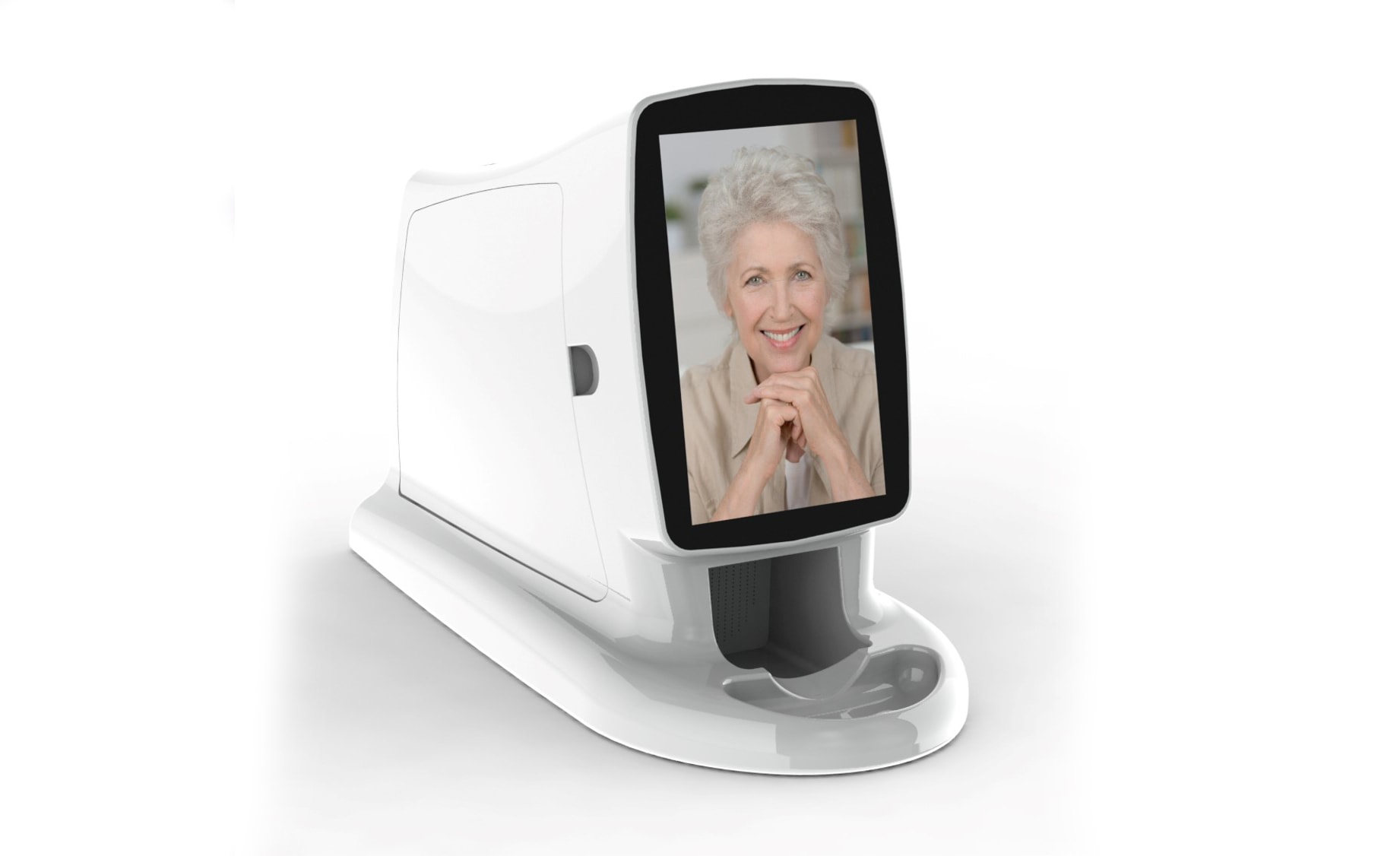
The company behind PetChatz, a device which connects pet owners to their fur babies while they’re away from home, has a new healthcare product in the pipeline. Anser Innovation is nearly halfway toward a fundraising target to finish developing its latest creation, Ōmcare, according to a recent filing with the Securities and Exchange Commission (SEC).
Burnsville-based Anser wants to raise $1.7 million more toward a goal of $3 million, the filing indicates. The new product, Ōmcare, is a home eHealth hub and audiovisual medication management system meant to ensure people take the right pills at the right time.
Read the full article from Twin Cities Business here.
IoT startup Anser Innovation attracts more investment for new product line
The latest infusion builds off a previously closed $500k, now at $1.3m of $3m, in pursuit of a medication management system targeting the elder care population as well as opiate use disorder.
Ōmcare, as the new product is branded, is a “Home eHealth Hub and Audiovisual Medication Management system that promises visual confirmation of ‘the right pill at the right time’ for true medication adherence.”
Read the full article from TECHdotMN here.