
This at-home pill dispenser could help fill rural Minnesota’s pharmacy gap
Bloomington-based startup Omcare is studying if the device helps keep older adults on their medication schedule.
A Bloomington startup is testing whether its interactive prescription drug dispenser can help older Minnesotans take their medications on schedule — especially in rural areas that lack pharmacies.
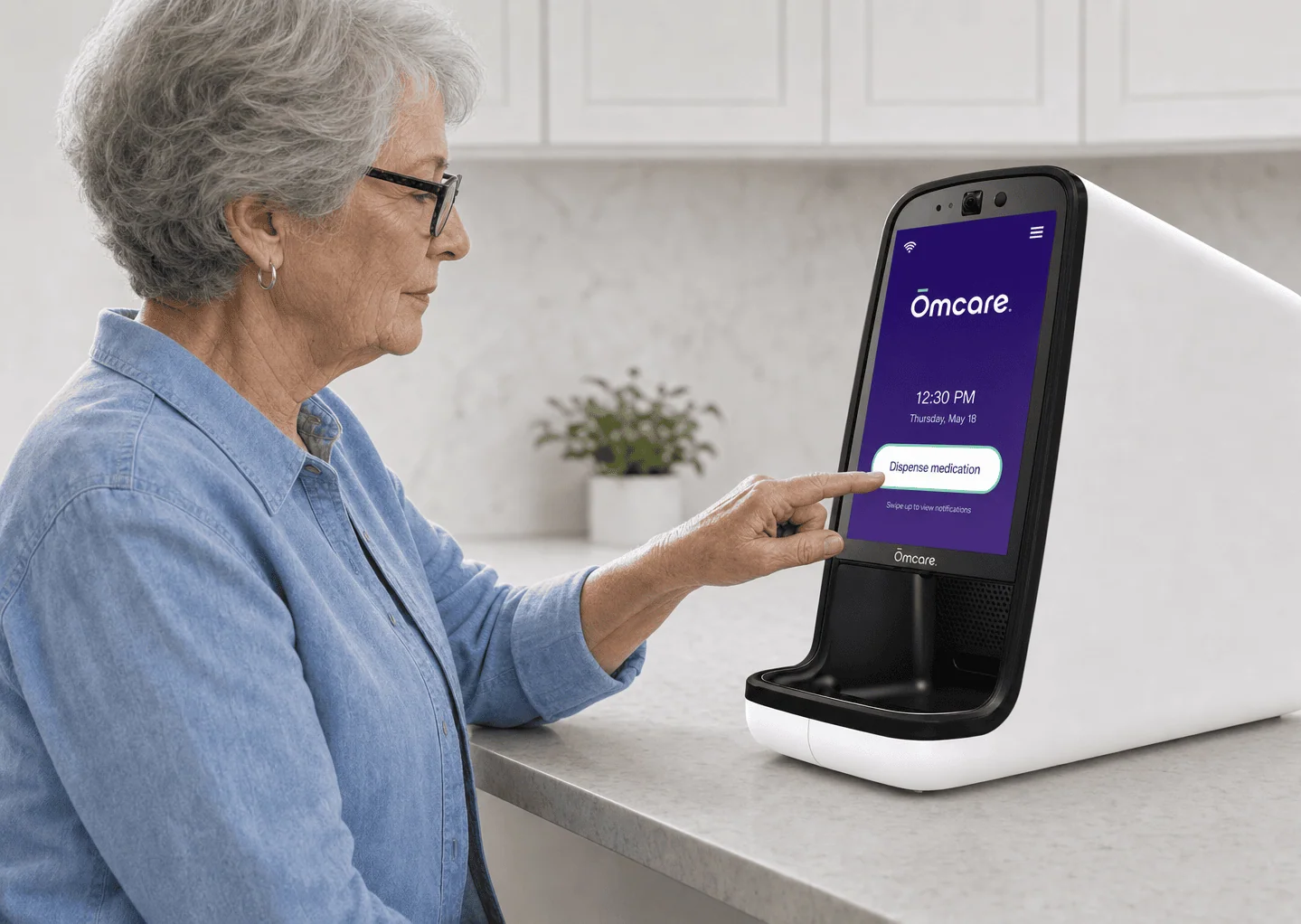
Omcare’s Home Health Hub is about the size of a coffee maker and dispenses medications, sent monthly by mail, along with alarms to notify patients when they are due to take their pills.
The hub has a two-way video screen that allows friends or relatives to monitor prescription sessions, and it interfaces with patients’ phones so they can call pharmacists any time they have questions.
Some elder-care facilities in the Twin Cities area have used the hub, but Omcare founder Lisa Lavin said she believes its untapped potential is in rural areas, especially the homes of older adults who live independently but don’t have pharmacies nearby. They can fall behind on vital prescriptions because it is difficult to pick up refills and struggle with side effects because they can’t get in touch with pharmacists to address them, Lavin said.
Read the full news article from The Minnesota Star Tribune here.


As clinic doors close, Silver Bay tests pharmacy care device at home for seniors
SILVER BAY, Minn. (Northern News Now) – Doors to Silver Bay’s only health care clinic will close in December — but for some residents, healthcare could soon come knocking at their front door.
With Aspirus Lake View coming up on their closing deadline, Silver Bay is joining a pilot program to bring pharmacy care into seniors’ homes — a test of whether tech can fill the gap for an aging city now facing extensive drives just for basic care.
Ōmcare is a Bloomington-based digital health company behind the Home Health Hub — now being piloted in Lanesboro and Silver Bay through the Rural Health Innovation study.
Ōmcare CEO Lisa Lavin said, “46% of all counties in the United States have at least one rural health desert, meaning that somebody has to drive in excess of 15 miles to be able to get access to care.”
Read the full news article from Northern News Now here.
When the clinic closes, can in-home pharmacy help? Silver Bay, Minnesota is about to find out
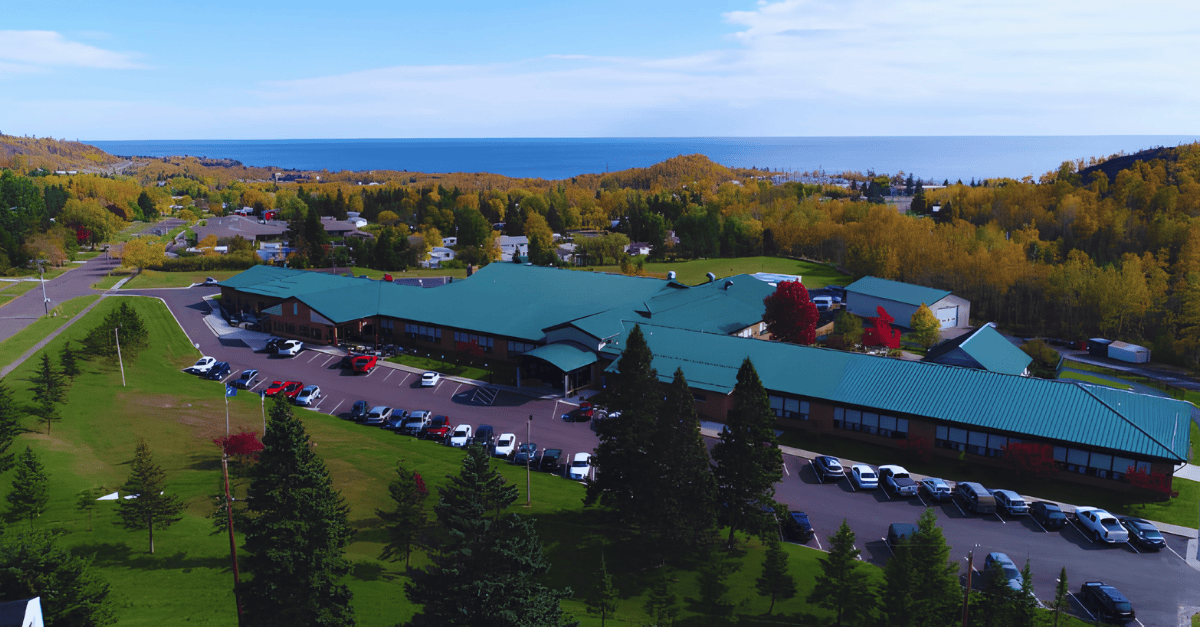
On the crisp, sparkling shores of Lake Superior on Minnesota’s North Shore, Silver Bay is more than a city, it’s a lifestyle. About 1,800 people call it home, drawn by the views and the peace of small-town life.
But, like many rural communities across the country, Silver Bay has been losing vital healthcare access with residents facing increasing barriers to getting care.
The city’s only healthcare clinic is closing in December 2026 and nearly a third of residents are 65 or older. That’s exactly the population that feels a healthcare gap the most. The town’s only pharmacy is not open on weekends and residents will now need to transport at least 30 miles away for clinical and emergency services.
That has left many people wondering how they’ll be able to stay independent at home in Silver Bay.
Now Silver Bay is stepping up as the second Minnesota community to join the Rural Health Innovation Initiative, a six-month pilot led by the University of Minnesota Center for Healthy Aging and Innovation. The goal is to test the impact of pharmacy and care services delivered directly into people’s homes, no matter how far they live from the nearest pharmacy.
One countertop device opening a world of services
The centerpiece of the pilot is the Ōmcare Home Health Hub®, a compact in-home device that automatically sorts and dispenses medication in pre-timed packets whenever a person’s medication schedule calls for it. There’s no more guessing whether today’s pills were taken.
Beyond medication management, the Hub gives participants:
- A screen for video calls with family, friends and caregivers
- 24/7 phone access to pharmacy staff
- Monthly check-ins with a medication management team
It’s built to answer a simple but urgent question: can older adults get consistent, reliable care without living close to a pharmacy?
Local leadership sees an opportunity
Silver Bay Mayor Wade LeBlanc has been vocal about what this pilot could mean for the city’s future. As a small community working to support its aging population with a thinning healthcare infrastructure, he sees real potential in bringing this kind of innovation home. And he’s hoping it sticks around.
The city is already looking past the six-month pilot window, aiming to partner with Essentia Health to keep the service model in place for residents long-term.
The view from Ōmcare
This isn’t about any one device; it’s not technology for technology’s sake. This pilot is about communities people are committed to staying in, even with the erosion of the infrastructure that once supported them.
Silver Bay reflects exactly the kind of community the pilot was built for. It’s a town people love deeply, where they want to spend their entire lives, but where the healthcare system hasn’t kept pace.
For us, the pilot is a chance to test whether an in-home model can genuinely close that gap, not just patch it, to help residents stay healthy, independent and connected to the community they’ve chosen.
It’s easy to think of a medication management as a logistics problem to solve. But the connection achieved through check-ins with family, loved ones and caregivers is just as important. Isolation is as much a rural health risk as a missed medication dose, and worth designing for.
Why this matters beyond Silver Bay
Silver Bay isn’t an outlier. Rural clinics and pharmacies have been closing across Minnesota and the country for years. The communities left behind are disproportionately older. The Rural Health Innovation Initiative is explicitly designed to test whether the Ōmcare model can scale; not just as a stopgap for one North Shore city, but as a blueprint for rural communities nationwide facing the same erosion of local care.
The University of Minnesota Center for Healthy Aging and Innovation is leading the evaluation and tracking outcomes over the six-month pilot to understand how well the model supports aging in place. It’s all part of discovering what it will take to bring it to more towns like Silver Bay.
Is your community next?
If your rural community is watching its local healthcare options shrink, this pilot might be worth a conversation. Communities interested in bringing this kind of in-home medication management and care model to their own residents can reach out to the University of Minnesota study office to learn about participating in a future pilot.
Ready to explore what this could look like where you live? Contact Email: healthstudy@umn.edu
